In approaching any problem, there are generally two immediate paths. Ths first is to pursue the ideal answer, the answer that addresses all issues and perfectly solves the problem. The second is to conclude that the problem cannot be solved. There is no solution available to us, so there is nothing we can or should do. The problem is too complex to be solved.
The ideal answer usually ignores the limitations of the situation: implementing it may require more money or resources than we have available, may require technology that doesn't exist, or there may be political, legal or practical constraints that will prevent its implementation. In most cases some combination of all of those limitations, and probably others as well, will prevent us from implementing the ideal answer.
The second answer, that the problem cannot be solved, is almost certainly wrong because it ignores opportunities that may not be immediately obvious. It assumes that any barrier to implementation of a workable solution is too large to overcome. The second answer has an even larger issue: the belief that we cannot solve the problem does not make the problem go away: we still have a problem.
In reality, it is almost never the case that either path is the course that we need. We must implement a solution that is possible, if not ideal. And at a basic level, we must implement some solution. The actual answer always falls somewhere between the ideal solution and no solution, and arriving at that solution -- that middle path -- is the gist of the political process.
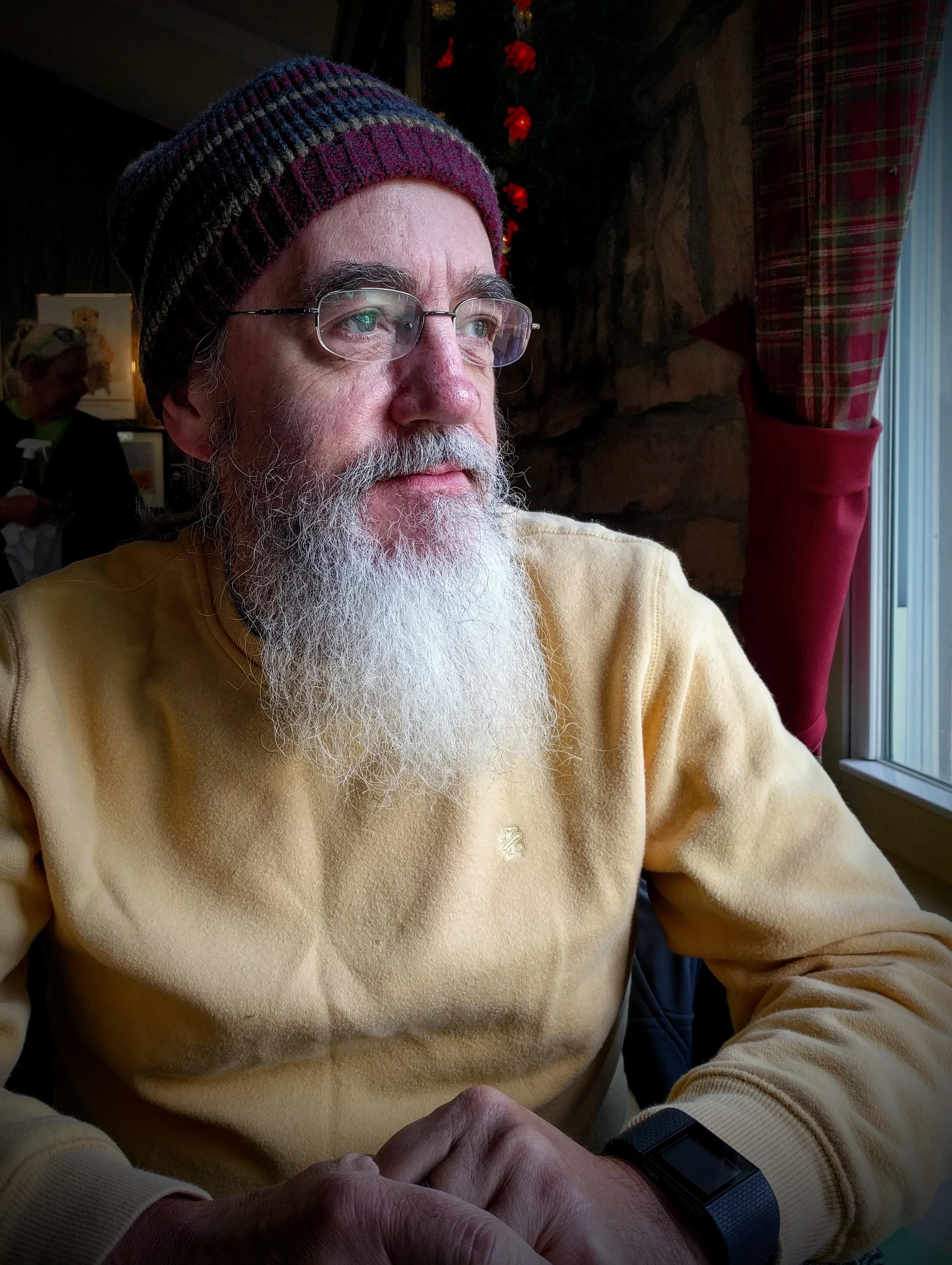
The process of finding that middle path exists in our business and personal lives as well. As a consultant, I was often challenged to provide a solution -- some new technology or business process -- that would address the needs of the client within the limitations of the resources available. The ability to do that is what made me a succesful consultant, and I believe that ability will also make me successful at representing you in the legislature.
My goal as your representative will be to bring you into the process of discovering and implementing that middle path. Without your guidance -- your needs, your opinions, your ideas -- any solution will be unsatisfactory, and in the long run a failure. I want to be your eyes and ears in Montpelior, informing you and letting you inform me. I will not be a passive presence, because I understand the responsibility you are placing in my hands by asking me to represent you. Serving you in the State House of Representatives will be my honor and my duty.